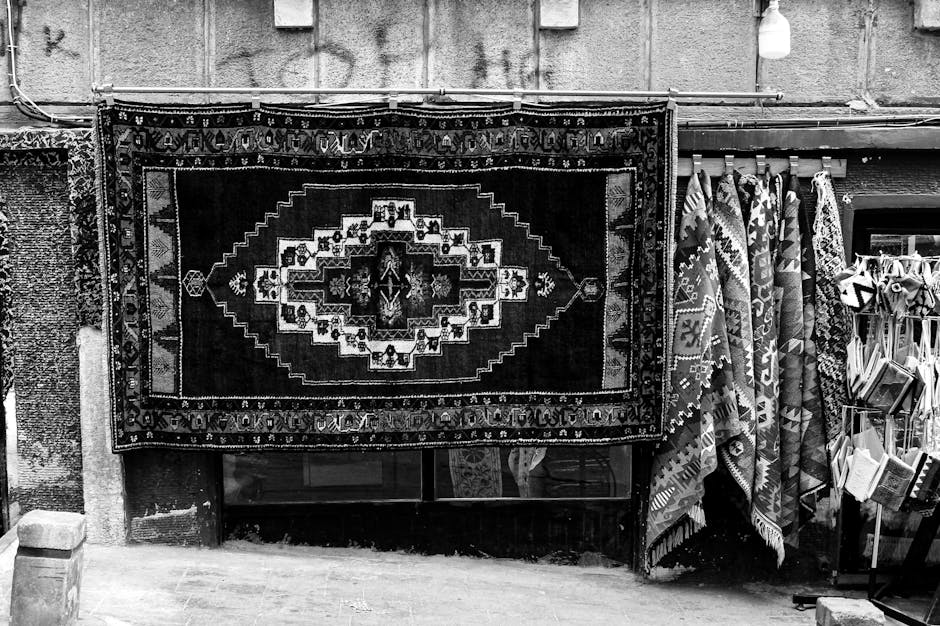
Clapham Road rug cleaning experts near Stockwell Station: a practical local guide
If you have ever looked at a rug by the front door and thought, "That was not this grey last month," you are in the right place. Clapham Road rug cleaning experts near Stockwell Station deal with the kinds of everyday messes that London life throws at rugs: mud from a wet commute, drink spills after a late dinner, pet marks, dust that seems to appear out of nowhere, and fibres that have lost their lift. The good news is that a well-cleaned rug can look brighter, feel softer underfoot, and last far longer than one that is left to quietly collect grime.
This guide explains what professional rug cleaning involves, why it matters in a busy Stockwell and Clapham Road setting, how the process usually works, and what to look for when choosing a provider. You will also find practical tips, common mistakes to avoid, a simple checklist, and a few real-world examples to help you decide your next step without the fluff.
Table of Contents
- Why Clapham Road rug cleaning experts near Stockwell Station matters
- How the rug cleaning process works
- Key benefits and practical advantages
- Who this is for and when it makes sense
- Step-by-step guidance
- Expert tips for better results
- Common mistakes to avoid
- Tools, resources and recommendations
- Law, compliance, standards, and best practice
- Options, methods, and comparison table
- Case study or real-world example
- Practical checklist
- Conclusion
- Frequently asked questions
Why Clapham Road rug cleaning experts near Stockwell Station Matters
Rugs do far more work than most people give them credit for. They catch grit before it grinds into floors, soften sound in flats with hard surfaces, and make a room feel finished. But they also act like filters. Dust, sand, allergens, pet hair, cooking residues, and everyday footfall settle deep into the pile. If you live near Stockwell Station or along Clapham Road, the traffic, weather, and pace of daily life all make that build-up happen a bit faster.
Professional rug cleaning matters because rugs are not all made the same. Wool, silk blends, cotton, viscose, jute, synthetic fibres, hand-knotted pieces, and tufted modern rugs all react differently to moisture, agitation, heat, and cleaning products. A one-size-fits-all approach can leave a rug dull, shrunken, over-wet, or oddly patchy. Not ideal. Not even close.
There is also the simple matter of value. A good rug can be expensive, but even a modest one can anchor a room and be a pain to replace if it gets damaged. In a local setting like this, where homes and businesses move quickly and space is often tight, having a trusted rug cleaning service close by is genuinely useful. You are not just buying a clean rug; you are protecting something you use every day.
Expert summary: the best rug cleaning is careful, fibre-specific, and honest about what can and cannot be removed. The job is not to "make it look new" in every case, but to restore it safely and sensibly.
If you are comparing service options, it helps to look beyond the sales pitch and understand the process. That is where a page like rug cleaning becomes useful alongside practical service details such as pricing and quotes and the company's about us information.
How Clapham Road rug cleaning experts near Stockwell Station Works
Rug cleaning usually starts with inspection. A proper cleaner looks at the fibre type, backing, weave, colour stability, and the kind of soiling present. That first assessment matters more than people think. A tea stain on wool behaves differently from muddy footprints on a synthetic runner, and a vintage rug can be a whole different conversation again.
After inspection, the rug is normally vacuumed and pre-treated. Dry soil removal is essential because loose grit can turn into abrasive paste once water is introduced. Then the cleaner will choose an appropriate cleaning method, often one of the following:
- Hot water extraction for many synthetic and robust rugs, where deep soil is flushed out with controlled moisture.
- Low-moisture or specialist hand cleaning for delicate fibres, antiques, or colour-sensitive pieces.
- Spot treatment for stains that need targeted attention before the main wash.
- Deodorising and finishing to address lingering smells and restore the rug's texture.
Drying is another part people underestimate. A rug that looks "fine" on the surface may still retain moisture below the pile or backing. That can lead to odours, distortion, or a stubborn damp feel. Good cleaners manage airflow, moisture levels, and turnaround carefully. No drama, just method.
In practice, near Stockwell Station, this often means a service that can handle both urgent and routine jobs. A hallway runner that picked up street grime after wet weather may need one approach, while a living room rug with a food spill from Saturday night needs another. Same category. Different fix.
Key Benefits and Practical Advantages
There are obvious benefits to cleaner rugs, but the less obvious ones are often the most valuable. A deep-cleaned rug can improve how a room smells, reduce visible wear, and make daily cleaning easier. That last one matters a lot. If a rug is already holding onto grit, every vacuum pass becomes less effective.
Here are the main advantages people usually notice:
- Better appearance - colours look clearer and patterns become easier to see again.
- Improved texture - fibres feel fresher and less matted underfoot.
- Odour reduction - helpful for homes with pets, cooking aromas, or damp entryways.
- Longer rug life - removing abrasive soil helps protect fibres from premature wear.
- More comfortable rooms - a clean rug just makes a place feel more cared for.
There is also a maintenance angle. Once a rug has been professionally cleaned, regular vacuuming and spot care tend to work better. You are not battling years of compacted dirt every time. That's the quiet win.
For households with pets or a busy front hall, pairing rug care with pet stain and odour removal or even broader stain removal support can make a noticeable difference. If your rug is part of a wider soft-furnishing refresh, it may also make sense to look at upholstery cleaning or sofa cleaning at the same time.
Who This Is For and When It Makes Sense
Professional rug cleaning is not just for luxury homes or rare heirlooms. It makes sense for all sorts of people and properties around Clapham Road and Stockwell. If you have a rug that gets regular use, chances are it will benefit at some point.
This service is especially useful if you are:
- a renter who wants the flat to feel cleaner before moving out or welcoming a landlord inspection;
- a homeowner trying to protect a family rug from everyday wear;
- a pet owner dealing with hairs, smells, or the occasional accident;
- someone with allergies who wants to reduce trapped dust and debris;
- a small business owner using rugs in a reception area or waiting space;
- looking after a delicate or sentimental rug that you would rather not replace.
It also makes sense when DIY cleaning has gone a bit sideways. Maybe a stain has spread. Maybe the rug dried with a tide mark. Maybe you tried an online trick and, well, it did something. We have all been there. Sometimes the sensible move is simply to stop, put the spray bottle down, and get proper advice.
For businesses, combining rug care with commercial carpet cleaning can keep public areas looking consistent. A well-kept floor space quietly says a lot about how the rest of the place is run.
Step-by-Step Guidance
If you want a smoother experience, it helps to know what usually happens from enquiry to aftercare. Here is a practical overview.
- Identify the rug type. Check the label if there is one, but do not worry if there is not. A cleaner can usually assess the fibre, weave, and backing by inspection.
- Describe the issue clearly. Mention stains, smells, pet incidents, water exposure, or colour bleeding concerns. A little detail saves time later.
- Ask about the method. The right process depends on the rug. Delicate pieces often need gentler handling than standard synthetic rugs.
- Confirm drying expectations. Ask how long it is likely to take and what conditions help speed it up. In a London flat, ventilation can be a bit of a puzzle, so this matters.
- Prepare the area. Move light furniture, clear ornaments, and make space for collection or on-site work if needed.
- Inspect after cleaning. Check the rug in natural light if possible. Look at edges, colour uniformity, and any areas that may need a second look.
- Follow aftercare advice. Rotate the rug, avoid heavy traffic while it settles, and keep up with regular vacuuming.
A good provider should be open about the limitations too. Some stains are permanent. Some dyes are unstable. Some rugs have wear that cleaning cannot magically reverse. Honest expectations save disappointment, which is honestly half the battle.
Expert Tips for Better Results
Small decisions make a big difference with rugs. These are the habits that tend to pay off.
- Vacuum before the cleaner arrives. Remove loose debris first, especially if the rug sits near a busy entrance.
- Blot, don't rub. Rubbing drives liquid deeper and can distort pile. Blotting is boring but effective.
- Test hidden spots carefully. On delicate rugs, colour fastness matters. A professional should do this before treatment.
- Ask about fringe care. Fringes are often the first part to fray or discolour, so they need gentle handling.
- Keep humidity in mind. If the room is damp or poorly ventilated, drying may take longer than expected.
- Schedule cleaning before heavy soiling builds up. Waiting until a rug looks exhausted usually makes restoration harder.
One useful rule of thumb: the sooner a spill is treated correctly, the better the outcome. Simple, really. A fresh coffee stain left to sit overnight is a very different animal from one blotted within minutes.
If you are already planning a broader clean, it may be worth speaking about steam carpet cleaning for adjacent flooring or curtain cleaning for dust-heavy rooms. Coordinating these jobs can save time and help the whole room feel coherent.
Common Mistakes to Avoid
Rug cleaning mistakes are often made with the best intentions. Still, a few habits regularly cause trouble.
- Using too much water. Oversaturation can damage backing, stretch fibres, or leave a musty smell.
- Applying random household chemicals. Bleach, harsh detergents, and unknown stain removers can set stains or strip dye.
- Skipping fibre checks. What works on synthetic pile may ruin a natural fibre rug. Easy to miss, expensive to fix.
- Ignoring the underside. Moisture can linger in the backing long after the top feels dry.
- Drying too fast with excessive heat. That can cause distortion or colour change in some materials.
- Assuming every stain can be removed. Some marks are chemical changes, not just dirt.
And yes, sometimes the worst mistake is trying to salvage a rug with every product in the cupboard. The "let's just see what happens" method is rarely a good one. Funny in theory, not in practice.
Tools, Resources and Recommendations
You do not need a full workshop to care for a rug well, but the right basics help. A few practical tools are worth keeping around.
| Item | What it helps with | Why it matters |
|---|---|---|
| Vacuum with adjustable suction | Routine dust and grit removal | Protects fibres and keeps pile looking livelier |
| White absorbent cloths | Blotting spills | Reduces transfer of dyes or lint |
| Gentle pH-appropriate cleaner | Light spot treatment | Less risk of harsh damage than general household products |
| Fan or airflow aid | Drying after spot care | Helps prevent lingering dampness |
| Soft brush or grooming tool | Reviving pile after cleaning | Restores texture without rough handling |
For a deeper job, the best resource is often a provider that explains its process plainly and supports it with useful service pages. Look for clarity around insurance and safety, health and safety policy, and recycling and sustainability. Those are not glamorous details, but they tell you a lot about how the company operates.
Law, Compliance, Standards, or Best Practice
Rug cleaning is not a heavily regulated service in the way some trades are, but best practice still matters. In the UK, a professional cleaner should work carefully with chemicals, manage risks to people and property, and handle customer data responsibly when taking bookings or payments.
From a customer point of view, the sensible checks are straightforward:
- Does the business explain its process clearly?
- Are safety and insurance details easy to find?
- Are pricing and terms transparent before work begins?
- Is there a sensible route for questions or complaints if something needs attention?
That last point matters more than people admit. A company that handles issues properly is usually a better long-term choice than one that only looks good before the invoice lands. You do not need legal jargon; you need accountability.
It is also reasonable to expect responsible handling of any cleaning products and waste, especially in residential blocks and shared buildings. Good practice means protecting flooring, ventilation, neighbours, and your own peace of mind. A tidy result is not just about the rug itself.
If you are reading this as part of a wider service review, you may also want to look at the company's terms and conditions and payment and security information before confirming anything. Not thrilling, perhaps, but very useful.
Options, Methods, or Comparison Table
Not every rug needs the same treatment. The right method depends on material, age, construction, and staining. Here is a simple comparison to help you think it through.
| Method | Best for | Strengths | Watch-outs |
|---|---|---|---|
| Hot water extraction | Many synthetic rugs and durable pile rugs | Strong soil removal, good for general refresh | Not ideal for very delicate fibres or unstable dyes |
| Low-moisture cleaning | Lightly soiled rugs and faster turnaround needs | Less water, shorter drying window | May be less effective on heavy embedded dirt |
| Hand cleaning / specialist treatment | Antique, handmade, or fragile rugs | Gentler and more controlled | More time-consuming and sometimes more expensive |
| Spot treatment only | Isolated spills with otherwise clean rugs | Quick and targeted | Won't solve broader soiling or odour issues |
Here is the simple truth: the "best" method is the one that protects the rug while solving the actual problem. A cleaner who jumps to the strongest option every time is not necessarily being thorough; sometimes they are just being careless with the material.
Case Study or Real-World Example
A small flat near Stockwell Station had a wool-blend rug in the living room. It sat under a coffee table and took a daily beating from shoes at the door, a dog that loved the window seat, and one embarrassing red wine spill from a Friday night dinner. The owner had tried a supermarket spray, which made the stain less visible but left a faint patch and a slightly stiff feel.
After inspection, the rug was treated with a fibre-appropriate pre-treatment and a careful clean rather than a heavy, saturated wash. The visible stain improved significantly, the pile lifted again, and the odour issue disappeared once drying was complete. The owner said the room felt "less tired" afterwards, which is a very human way of putting it, but absolutely right. A clean rug changes the mood of a room.
The key lesson was not that every stain vanished perfectly. It was that the rug was treated according to its material and condition, not treated like a generic rectangle of fabric. That is the difference between a quick fix and a proper result.
Practical Checklist
Use this before you book or before a cleaner arrives.
- Identify the rug size, fibre type, and approximate age.
- Note any stains, smells, pet accidents, or water damage.
- Check whether the rug has labels, fringe, or a delicate backing.
- Clear the area around the rug if on-site access is needed.
- Ask how drying will be handled and how long it may take.
- Confirm whether stain treatment is included or extra.
- Review safety, insurance, payment, and terms before agreeing.
- Keep pets and heavy foot traffic away until the rug is fully dry.
- Inspect the finished rug in good light.
- Set a reminder for regular vacuuming and future maintenance.
A quick checklist like this saves time and stress. It is the sort of small preparation that quietly improves the whole experience.
Get a free quote today and see how much you can save.
Conclusion
Clapham Road rug cleaning experts near Stockwell Station are most valuable when they combine local convenience with careful, fibre-aware cleaning. That matters because rugs are not just decorative extras. They are part of how your home or business looks, feels, and even smells day to day. Get the process right and the room tends to feel calmer, cleaner, and more settled. You notice it when you walk in.
If you are comparing options, focus on expertise, transparency, drying methods, and the ability to explain what will happen in plain English. That is usually the mark of a service you can trust. And if your rug is delicate, valuable, or just plain sentimental, taking the careful route is rarely the wrong call.
In the end, a good rug cleaning job is one you stop noticing because the room simply feels better. That is the real win, to be fair.
Frequently Asked Questions
How often should a rug be professionally cleaned?
It depends on use, fibre type, and where the rug sits. A hallway or living room rug may need attention more often than a low-traffic decorative piece. If it starts looking dull, holding odours, or feeling gritty underfoot, that is usually a sign it would benefit from professional care.
Can all stains be removed from a rug?
No, and a trustworthy cleaner will say that upfront. Some stains become permanent because they change the dye or fibre itself. Professional cleaning can still improve appearance, reduce residue, and stop the mark from getting worse, but perfect removal is not always possible.
Is rug cleaning safe for wool rugs?
Yes, when done correctly. Wool needs careful handling, controlled moisture, and suitable products. The important thing is that the cleaner understands fibre sensitivity and does not treat wool like a synthetic rug.
How long does a rug take to dry?
Drying time varies based on material, cleaning method, thickness, and room ventilation. A low-moisture clean may dry faster, while a deeper wash can take longer. In a flat with limited airflow, drying can take a bit more patience than you might like.
Should I vacuum before booking a rug clean?
Yes, if you can. Removing loose dirt first helps the cleaner focus on the embedded soil and stains. It is a small step, but it makes the whole process more efficient.
What if my rug has pet urine or odour?
That usually needs targeted treatment, not just a standard clean. Odours can sit in the backing or underlay, so the cleaner may need to use a specialist process. The sooner it is dealt with, the better the chance of a good result.
Can rug cleaning damage colours?
It can, if the wrong product or method is used. That is why a test area and fibre-specific treatment matter so much. If a rug has unstable dye, a careful approach is essential.
Is on-site rug cleaning better than off-site cleaning?
Neither is always better. On-site cleaning can be convenient, but off-site cleaning may be safer for delicate or heavily soiled rugs because it allows more controlled treatment and drying. The right choice depends on the rug itself.
How do I know if a rug cleaner is trustworthy?
Look for clear explanations, transparent pricing, sensible aftercare advice, and straightforward details about safety, insurance, and complaints handling. You are not looking for flashy promises; you are looking for steady, careful work.
Can I clean a rug myself with shop-bought products?
For small fresh spills, sometimes yes. But for anything valuable, delicate, or heavily stained, DIY products can cause more harm than good. If you are unsure, pause before adding more liquid or cleaner. That hesitation can save the rug.
What other services are useful alongside rug cleaning?
If your home or business needs a broader refresh, services like carpet cleaning, steam carpet cleaning, sofa cleaning, and upholstery cleaning can help the whole space feel consistent. It is often easier to tackle soft furnishings together rather than piecemeal.
What should I ask before booking rug cleaning near Stockwell Station?
Ask what method will be used, how long drying may take, whether stain treatment is included, how delicate rugs are handled, and what happens if a stain cannot be fully removed. A good cleaner should answer without fuss and without sounding evasive.