South Lambeth Road upholstery cleaning services Stockwell: a practical local guide
If your sofa has started to look tired, your armchair feels a bit flat, or a favourite dining chair carries the memory of every spill, you are not alone. South Lambeth Road upholstery cleaning services Stockwell can make a real difference to the feel of a home or business space, especially in busy London households where furniture works hard every day. This guide explains what upholstery cleaning actually involves, how the process works, what to expect, and how to choose the right approach for your fabric, stain, and budget. It is written to help you make a sensible decision, not a rushed one.
Truth be told, upholstery often gets cleaned later than carpets, even though it catches a lot of the same dust, oils, and everyday grime. That delay is usually where the trouble starts. Once dirt settles into fibres, the fabric can look dull, smell stale, or hold onto marks you thought had gone months ago. The good news? With the right method and a careful technician, most pieces can be brought back to a much fresher state.
Table of Contents
- Why South Lambeth Road upholstery cleaning services Stockwell Matters
- How South Lambeth Road upholstery cleaning services Stockwell Works
- Key Benefits and Practical Advantages
- Who This Is For and When It Makes Sense
- Step-by-Step Guidance
- Expert Tips for Better Results
- Common Mistakes to Avoid
- Tools, Resources and Recommendations
- Law, Compliance, Standards, or Best Practice
- Options, Methods, or Comparison Table
- Case Study or Real-World Example
- Practical Checklist
- Conclusion
- Frequently Asked Questions
Why South Lambeth Road upholstery cleaning services Stockwell Matters
Upholstery is one of those things you stop noticing until it changes. Then you spot the faint ring on the sofa arm, the greasy patch where hands always rest, or the little patch of dust that seems to come back no matter how often you vacuum. In a place like Stockwell, where homes, flats, shared spaces, and small businesses all see a fair bit of foot traffic, fabrics can age faster than you expect.
South Lambeth Road upholstery cleaning services Stockwell matters because upholstery does more than look nice. It affects comfort, indoor air feel, and the overall impression of a room. A clean sofa or reception chair helps a room feel cared for. A neglected one can make even a tidy space feel off. You know the feeling. Everything else is in order, but the furniture quietly says otherwise.
There is also a practical side. Regular cleaning can help slow down wear from embedded grit and oils, especially on high-use items like family sofas, office seating, and rental property furniture. It is not magic, and it will not fix damage caused by years of neglect, but it can make a surprising difference before replacement becomes necessary.
Expert summary: upholstery cleaning is not just about appearance. Done properly, it supports comfort, hygiene, and the longer useful life of the furniture you already own.
If you are comparing services, it helps to look at the company's broader standards too. Pages such as about the team, insurance and safety, and health and safety can tell you a lot about how seriously the provider treats your home or premises.
How South Lambeth Road upholstery cleaning services Stockwell Works
Most professional upholstery cleaning follows a fairly steady pattern, though the exact method changes depending on fabric type, condition, and how much moisture the item can safely handle. That last bit matters more than people think. Some fabrics tolerate hot water extraction well; others need low-moisture or specialist treatment. A one-size-fits-all approach is where mistakes happen.
The process usually begins with an inspection. The cleaner checks the fibre type, colour stability, seams, labels, and the kind of soil present. Is it general dust and body oil? A pet accident? Food and drink staining? Ink? The answer shapes the method. For example, a heavily used fabric sofa near a kitchen will usually need a different approach from a decorative chair in a guest room that has only picked up dust.
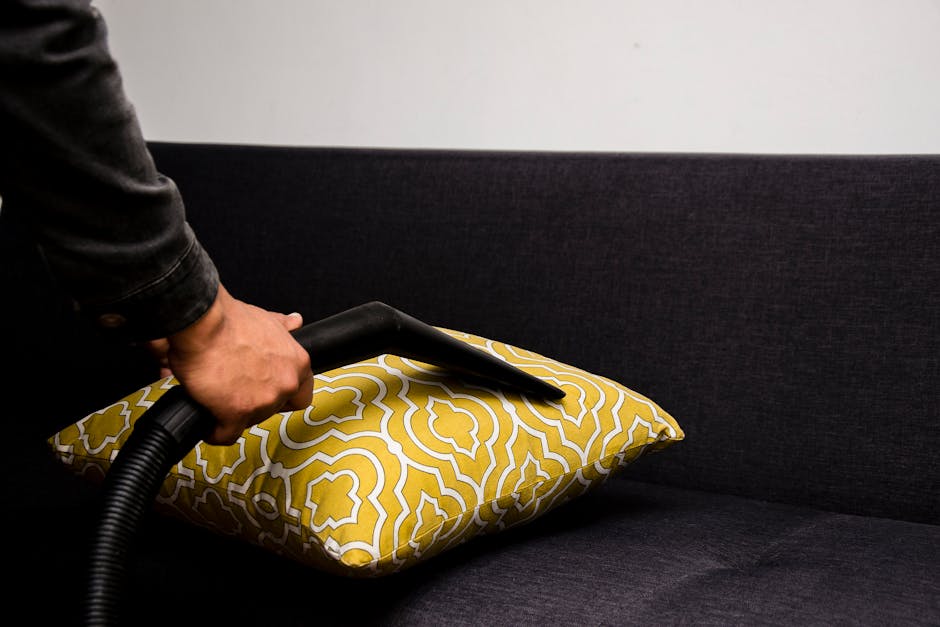
After inspection comes preparation. Loose debris is removed, often with vacuuming and careful brushing. Then the cleaner may pre-treat stained or heavily soiled areas. This step helps loosen residue before the main cleaning pass. Depending on the fabric, the main cleaning could involve steam-based extraction, low-moisture cleaning, or targeted stain removal. If odours are involved, a dedicated treatment may be used, such as the sort described on the site's pet stain and odour removal page.
After cleaning, the item is rinsed or extracted where suitable, then left to dry with as much airflow as possible. Drying time varies. A lightly cleaned chair may be usable sooner than a deep-cleaned sofa with thicker padding. To be fair, it is the drying stage that many people underestimate. The clean itself is only half the job.
In some cases, related services can be useful too. Curtains, rugs, mattresses, and carpets often share the same indoor environment, so bundled cleaning makes sense for many homes. You can explore the relevant services for upholstery cleaning, sofa cleaning, rug cleaning, and curtain cleaning if you are planning a wider refresh.
Key Benefits and Practical Advantages
The obvious benefit is visual. A clean upholstered piece looks brighter and feels more inviting. But there are several less obvious advantages that matter just as much in everyday life.
- Better appearance: colours look less greyed-out and fabric patterns stand out more clearly.
- Improved comfort: furniture can feel softer and fresher once embedded dirt is removed.
- Odour reduction: lingering smells from pets, food, smoke, or damp can be reduced.
- Longer fabric life: grit and grime can wear fibres down over time; cleaning helps limit that.
- Healthier-feeling spaces: while not a medical service, cleaning can reduce the stale, dusty feel that builds up indoors.
- Better value for money: refreshing a good-quality sofa often costs far less than replacing it.
There is also the psychological benefit, and people do talk about this after a good clean, even if they do not always expect it. When a room feels fresh, the whole place feels lighter. That "I should have done this sooner" moment is common. Slightly annoying, yes. Also satisfying.
If you manage a rental property or workplace, there is a presentation angle as well. Visitors notice seating. Clients notice reception furniture. Staff notice the difference in a room that feels cared for. For commercial spaces, the same attention can be extended through commercial carpet cleaning and well-timed upholstery maintenance.
Who This Is For and When It Makes Sense
South Lambeth Road upholstery cleaning services Stockwell is useful for a wide range of people. You do not need a disaster to justify it. In fact, it is often better to clean before a piece becomes visibly grimy.
It makes sense if you are:
- a homeowner keeping a family sofa in decent condition
- a tenant hoping to leave a property presentable at the end of a tenancy
- a landlord trying to keep furnishings in rental flats looking respectable
- a small business owner with waiting room seating or office chairs
- a parent dealing with spills, sticky hands, and general daily chaos
- a pet owner managing fur, odours, and the odd surprise stain
It is also sensible if you have noticed a fabric chair that smells musty after a damp spell, or a sofa that looks patchy when the afternoon light hits it. That light in late summer, around the end of the day, has a habit of exposing everything. Rather rude, really.
Some pieces are better candidates than others. Sturdy everyday fabrics usually respond well. Delicate, water-sensitive, antique, or heavily embellished items need more caution. If a piece is valuable, sentimental, or unusual, you should be extra careful and ask for a method suited to the material rather than assuming a standard clean will do.
Step-by-Step Guidance
If you want the best outcome, it helps to understand the process before anyone arrives. Here is the practical version.
- Identify the item and fabric type. Look for care labels if you can find them, and make a note of any damage, loose stitching, or older repairs.
- List the main problems. Is it general dirt, a specific stain, pet odour, flattened pile, or all of the above?
- Clear the area. Move small items, lamps, and anything fragile so the cleaner has room to work.
- Discuss any concerns in advance. Mention colour fading, previous treatments, allergies, or spots that have already been scrubbed at home.
- Allow for inspection and testing. A small test patch can help avoid colour run or texture damage on sensitive fabrics.
- Choose the appropriate cleaning method. Steam extraction, low-moisture cleaning, and spot treatment all have their place.
- Let the item dry fully. Avoid sitting on it too soon unless you enjoy that slightly damp, not-quite-finished feeling.
- Protect the result. Keep food and drinks sensible for a while, and vacuum regularly once the fabric is dry.
A useful habit is to take a quick phone photo before cleaning. Not for drama. Just for comparison. After the work is done, you can tell what changed and where any persistent marks came from. It also helps if there is a conversation later about areas that were already damaged.
Expert Tips for Better Results
The best upholstery cleaning results usually come from a combination of timing, preparation, and choosing the right method for the job. Fancy equipment helps, sure, but judgment matters more.
Here are a few tips that make a real difference:
- Treat fresh spills early. Blot, do not rub. Rubbing pushes liquid deeper into the fibres and can spread the mark.
- Vacuum regularly. Even a quick vacuum of seat creases and under cushions helps reduce grit build-up.
- Test any home product first. A cleaner patch on the back or underside is better than a permanent pale ring in the middle.
- Do not over-wet fabric. Too much moisture can lead to long drying times, water marks, or a musty smell.
- Work with the fabric, not against it. Velvet, wool blends, synthetics, and natural fibres all behave differently.
- Ask about drying expectations. If a room needs the sofa back in service quickly, say so. Planning around that helps avoid awkward surprises.
One small but important point: if a stain has already been treated many times at home, it may be harder to shift professionally. That does not mean nothing can be done, but it does mean the cleaner should know what has been used. Vinegar, supermarket sprays, soap residue, and repeated scrubbing can all complicate the job. A bit messy, but very common.
If you are comparing providers, see whether they publish practical information about stain removal, pricing and quotes, and payment and security. Clear information usually reflects a clearer service.
Common Mistakes to Avoid
Let's face it, most upholstery damage does not come from one dramatic mistake. It comes from a handful of small ones repeated over time.
- Using too much water. This is the big one. Saturation can leave marks or slow the drying process dramatically.
- Scrubbing stains aggressively. It feels productive, but it often roughs up fibres and spreads the stain.
- Ignoring the fabric label. Some materials need dry or specialist treatment. Guessing is risky.
- Waiting too long. Old stains are harder to remove, and odours settle in more deeply.
- Cleaning only the visible stain. Spot-cleaning a single patch can sometimes leave a tide mark around it.
- Forgetting the cushions and seams. That is where a lot of dirt hides. Sneaky little corners.
Another common issue is expectation. Upholstery cleaning is very effective, but it is not restoration work. If a fabric is sun-faded, torn, or worn through, cleaning may improve the appearance but not reverse the ageing. Honest expectations are helpful here, both for the homeowner and the cleaner.
For safety-minded customers, it is worth checking pages like insurance and safety and terms and conditions before booking. That kind of reading is not glamorous, I know, but it does prevent avoidable awkwardness.
Tools, Resources and Recommendations
You do not need a van full of specialist gear to understand what makes a good upholstery clean, but it helps to know the basic tools involved. This makes conversations with a technician far easier.
- Vacuum cleaner with upholstery attachments: used for dry soil, crumbs, and dust in seams.
- Soft brushes: useful for lifting pile and loosening embedded dust gently.
- Spot treatment solutions: applied to targeted stains before the main clean.
- Extraction or low-moisture equipment: selected according to fabric type and soiling level.
- Absorbent cloths and towels: essential for blotting and controlling moisture.
- Airflow support: open windows, fans, or a sensible drying setup can help after cleaning.
Recommendations are just as important as tools. If you have pets, ask specifically about odour and accident treatment. If you run a business, look for a cleaner who can work around opening hours and keep disruption low. If you are dealing with delicate furniture, ask whether the cleaner has experience with that type of fabric. Simple question. Often revealing answer.
It can also help to think about related cleaning needs in the same session. For example, a lounge refresh might include carpet cleaning and steam carpet cleaning as well as upholstery. A cleaner that can manage the whole room tends to make the job feel more coherent and less piecemeal.
Law, Compliance, Standards, or Best Practice
Upholstery cleaning is not usually a heavily regulated service in the way some trade sectors are, but that does not mean standards do not matter. Best practice still matters a lot. A responsible provider should work carefully, communicate clearly, and avoid methods that could reasonably damage fabric or create avoidable risks.
For customers in homes, the main concerns are safety, property care, and transparency. For commercial customers, there may also be expectations around access, timing, insurance, and liability. In practical terms, that means the company should be able to explain how it protects your flooring, how it handles wet work, what happens if a fabric is unsuitable for standard cleaning, and how it manages any issues that arise.
Good practice also includes respecting privacy and consent when working in homes, shared buildings, or offices. And yes, punctuality matters too. People remember whether a cleaner turns up when promised. It is one of those simple things that says a lot.
If sustainability matters to you, it is reasonable to ask how waste water, packaging, and product use are handled. Some customers also prefer to read a provider's recycling and sustainability approach before booking. That is not overthinking it. That is just careful buying.
Options, Methods, or Comparison Table
Different upholstery fabrics and cleaning goals call for different methods. The right choice depends on the item, the stain, and the drying time you can tolerate. Here is a simple comparison.
| Method | Best for | Strengths | Watch-outs |
|---|---|---|---|
| Steam / hot water extraction | Durable fabric sofas and chairs with general soiling | Deep cleaning, good for built-up dirt, often strong on everyday grime | Not suitable for every fabric; drying time can be longer |
| Low-moisture cleaning | Sensitive fabrics or situations where faster drying is helpful | Less water used, quicker return to use | May be less aggressive on deep-set soil |
| Targeted stain treatment | Specific marks such as food, drink, or tracked-in dirt | Focused approach, useful as part of a wider clean | Results depend on how old the stain is and what has been used before |
| Odour treatment | Pet accidents, smoke, stale smells, or damp-related odours | Helps tackle smell rather than just appearance | May need repeat treatment if the source has soaked deep into padding |
There is no perfect method for every item. That is why inspection comes first. A good cleaner will not try to impress you by using the most dramatic method; they will choose the one that fits. Boring? Maybe. Effective? Definitely.
Case Study or Real-World Example
Here is a realistic example from a typical local job. A family in Stockwell had a three-seater sofa that looked fine from a distance but felt sticky in the seat area and had a few faint marks along the armrests. The sofa was used daily, usually with children, snacks, and one very curious dog. Classic combination, really.
Before cleaning, the technician checked the fabric, tested a small hidden section, and confirmed the sofa could handle a moderate moisture process. The work started with vacuuming and careful pre-treatment on the arm marks. The seat areas received deeper attention because body oils and fine dust tend to settle there first. A separate odour treatment was applied where the dog had claimed one cushion corner as its own.
After cleaning, the sofa did not look brand new. That would be unrealistic. But it did look brighter, smelled fresher, and felt less tired overall. The family also said the room felt cleaner, even though the carpet had not changed. That is the thing with upholstery. It quietly affects the whole room.
A business scenario can be similar. In an office waiting area, fabric chairs can collect the dull sheen of repeated use before anyone notices. A scheduled clean outside working hours often restores a more professional look without causing disruption. For places with a lot of seating, it can be worth reviewing wider services like sofa cleaning alongside general fabric maintenance.
Practical Checklist
Use this quick checklist before booking upholstery cleaning or preparing for a visit.
- Check what furniture needs cleaning and list the main problem areas.
- Look for fabric care labels or note any unknown materials.
- Take photos of stains, wear, or damage before the clean.
- Remove loose items from around the furniture.
- Tell the cleaner about pets, allergies, old spillages, or prior DIY treatments.
- Ask which method is most suitable for the fabric.
- Confirm how long drying is likely to take.
- Find out whether parking, access, or stair carries might affect the visit.
- Ask about insurance, safety, and any terms that matter to you.
- Allow enough time for the item to dry fully before heavy use.
Simple checklist, but useful. A bit of preparation usually saves hassle later.
If you are ready to compare options, the most sensible next step is to review the service details and request a quote through the site's pricing and quotes page, then use the contact page to follow up if you have a fabric-specific question.
Get a free quote today and see how much you can save.
Conclusion
South Lambeth Road upholstery cleaning services Stockwell can be a smart, practical way to refresh furniture that is still structurally sound but looking a bit past its best. The value is not just in removing stains. It is in making a room feel cleaner, more comfortable, and more looked after. That matters whether you are caring for your own home, preparing a rental, or keeping a customer-facing space presentable.
The best results come from matching the method to the fabric, being honest about the condition of the item, and working with a cleaner who understands both the technical side and the everyday reality of London homes. In our experience, that combination is what separates a decent result from a genuinely satisfying one.
If your sofa, chair, or suite has been quietly bothering you for a while, it may only take one proper clean to make the room feel right again. And sometimes, that is enough. Nice when that happens.
Frequently Asked Questions
What does upholstery cleaning usually include?
It usually includes inspection, vacuuming, pre-treatment of stains, the main cleaning method suited to the fabric, and careful drying. Some jobs also include odour treatment or targeted stain removal where needed.
How often should upholstery be cleaned?
There is no single rule, but high-use furniture often benefits from regular professional cleaning rather than waiting until it looks visibly dirty. Homes with children or pets may need it more often than low-use spaces.
Can all upholstery fabrics be steam cleaned?
No. Some fabrics can handle steam or hot water extraction well, but delicate or moisture-sensitive materials may need a lower-moisture method or a specialist approach. A proper inspection should come first.
Will upholstery cleaning remove old stains?
Sometimes, but not always completely. The age of the stain, the fabric type, and any previous home treatments all affect the outcome. Older stains are generally harder to shift.
How long does upholstery take to dry?
Drying time depends on fabric thickness, the method used, room ventilation, and how heavily the item was cleaned. A cleaner should give you a realistic expectation before starting.
Is upholstery cleaning safe for pets and children?
It can be, provided suitable products and methods are used and the furniture is allowed to dry fully before use. If you have concerns, mention them in advance so the cleaner can plan accordingly.
Can upholstery cleaning help with pet smells?
Yes, particularly when the odour is coming from the fabric or surface layer. If the smell has soaked deep into the padding, more targeted treatment may be needed. The earlier you act, the better.
Do I need to move my furniture before the cleaner arrives?
Usually not for large items, but it helps to clear small objects, breakables, and clutter around the furniture. That gives the cleaner safe access and saves time.
What is the difference between upholstery cleaning and sofa cleaning?
Upholstery cleaning is the broader term and can cover chairs, benches, headboards, and other fabric items. Sofa cleaning is a specific type of upholstery cleaning focused on sofas and settees.
How much does upholstery cleaning cost in Stockwell?
Costs vary by item size, fabric type, condition, stain level, and access. The fairest approach is to request a tailored quote rather than assume a standard price will fit every job.
Should I clean carpets at the same time as upholstery?
Often, yes, if the room needs a broader refresh. Furniture and flooring affect each other visually, so cleaning both can give a more complete result. Related services like carpet cleaning can be a sensible companion to upholstery work.
What should I ask before booking?
Ask about fabric suitability, drying time, stain treatment, insurance, and whether the cleaner has experience with the type of furniture you own. A few clear questions up front can prevent most disappointments later.